Circle | Customer story documentary
Good Inside Customer Story
- Format
- Customer story documentary
- My role
- Pre-production, production, and post, partnered with a Los Angeles production company for permitting
- Location
- Los Angeles and Pasadena, California
- Shoot days
- 1
- Crew
- 9
- Delivered
- Customer story film cut from dramatization scenes plus the customer interview
- Package
- Sony FX6 and FX9. Four actors cast for the dramatization.
- Budget band
- $10K to $25K
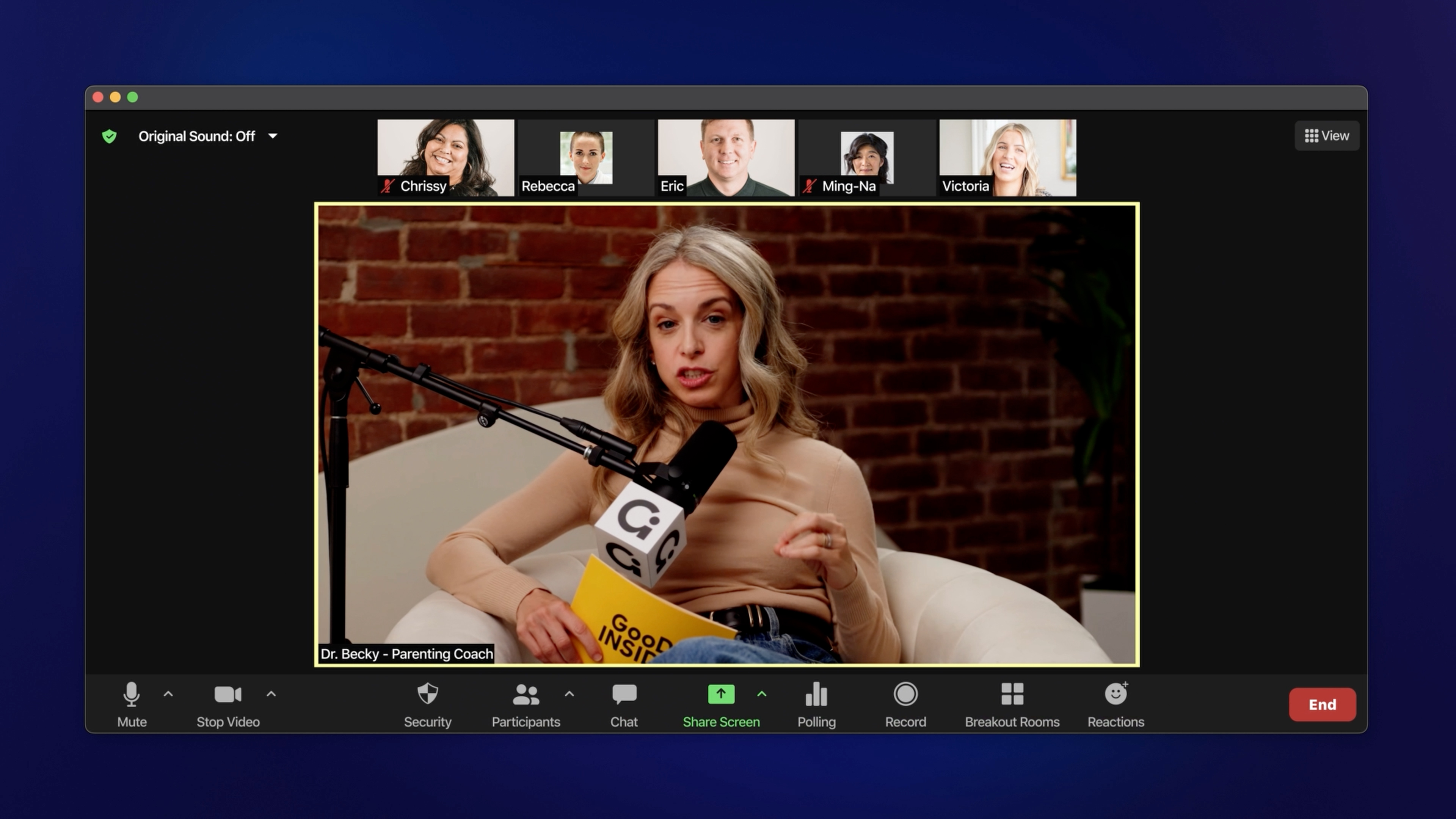
We flew to Los Angeles to film a customer story for Good Inside.
Good Inside is Dr. Becky’s parenting platform. The brand is warm, smart, honest, and a little chaotic in the way real family life is chaotic. So the film had to feel that way too.
The strategic value was not just that the film felt warmer. It gave Circle a different kind of customer proof: lived experience instead of testimonial polish.
The easy version was obvious. Sit someone down. Ask clean questions. Cut to product shots. Add music.
That would have been fine.
Fine was not the job.
Here is exactly how we did it.
Why most customer stories feel fake
Most customer stories die when they become testimonials.
A person sits in a chair. The lighting looks nice. They say true, kind things about the product. And somehow you believe almost none of it, because the format has trained you not to.
The customer is not the problem. The format is.
A talking head asks the viewer to trust the story. We wanted the viewer to feel it first.
We cast a playdate
The heart of Good Inside is parents and young kids.
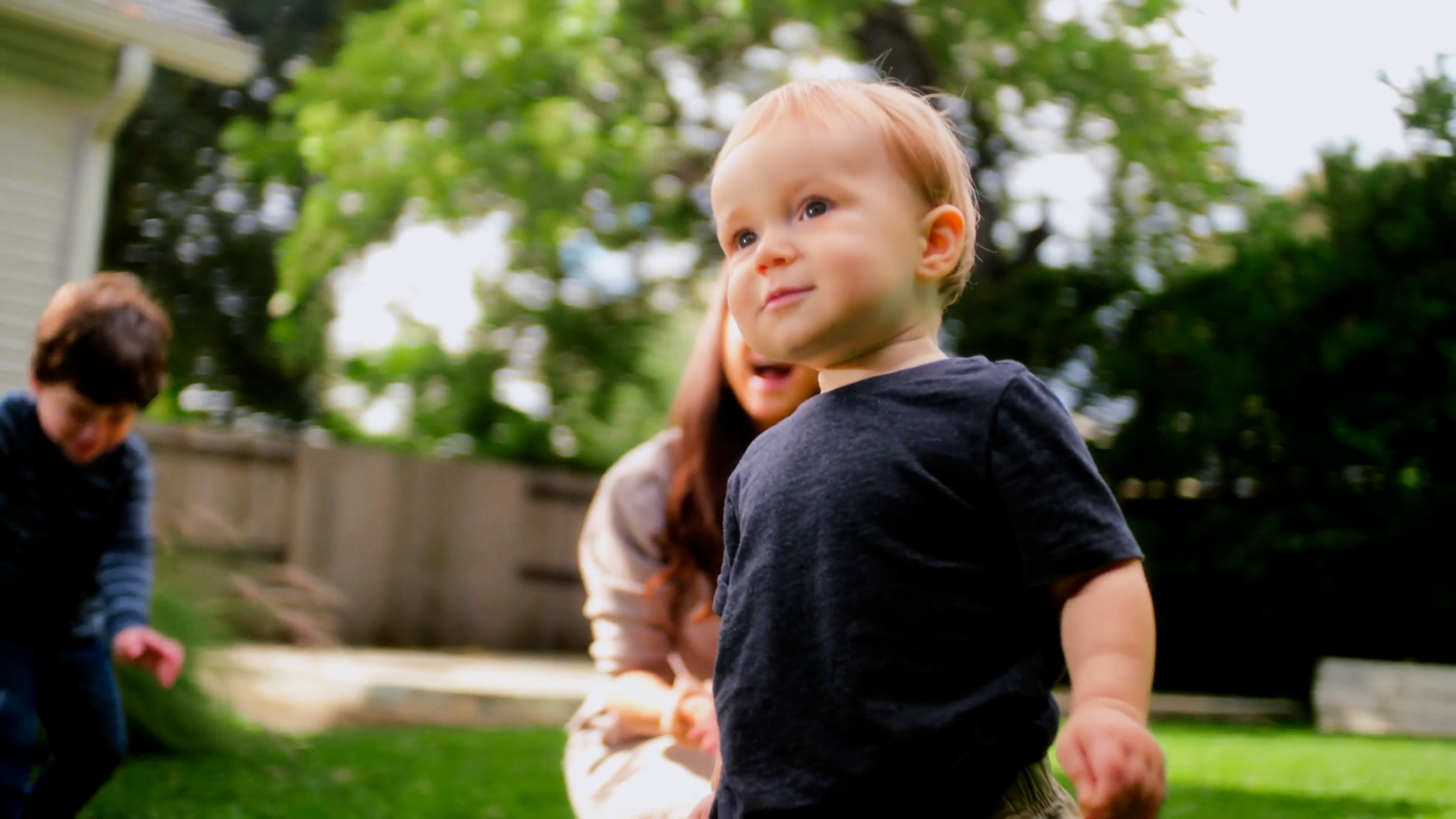
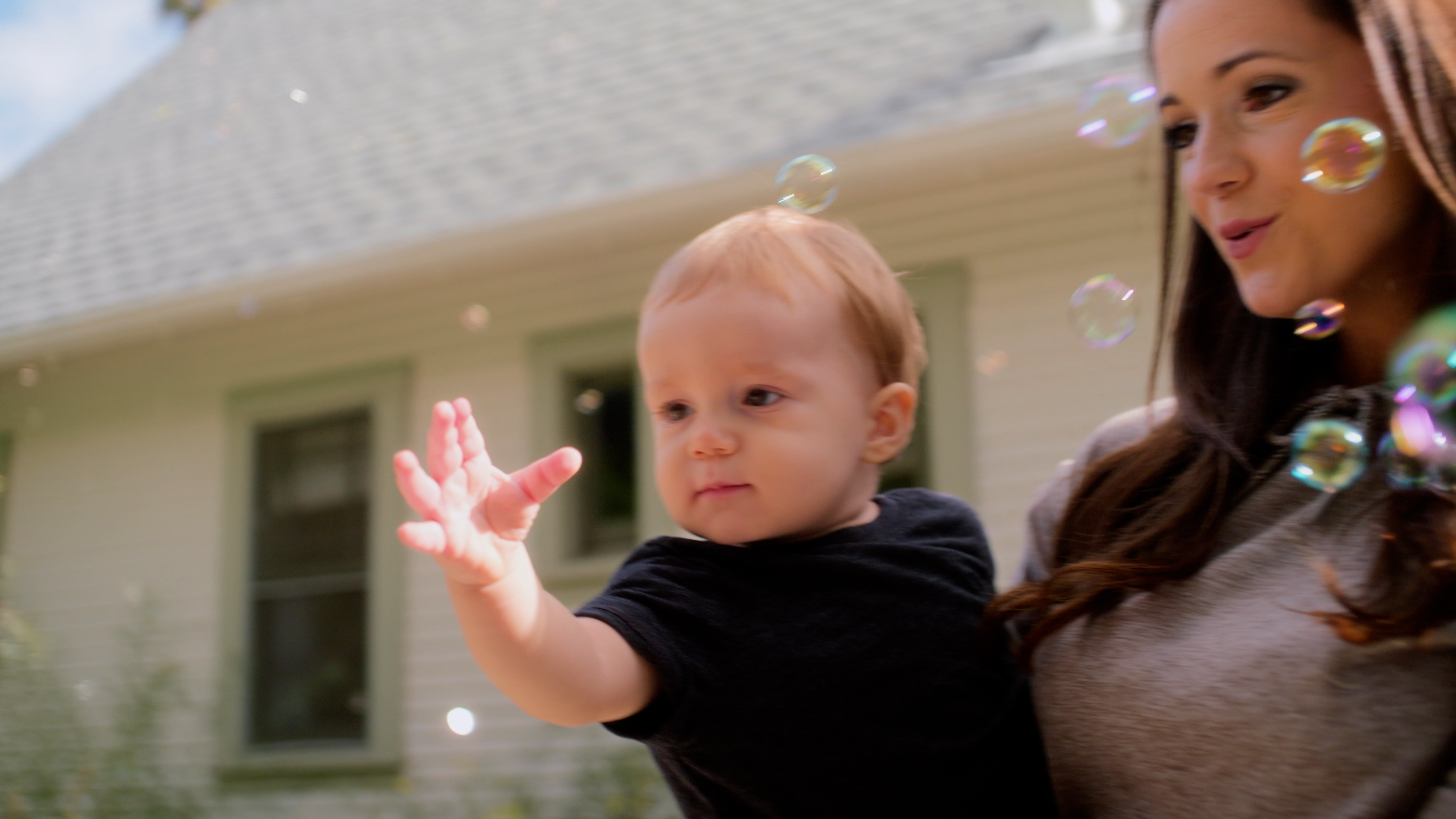
So we built a scene around that. We hired child actors and their parents, filled a living room with toys, and let the room behave like a room full of kids.
They wandered. They laughed. They ignored us. They melted down a little.
Good.
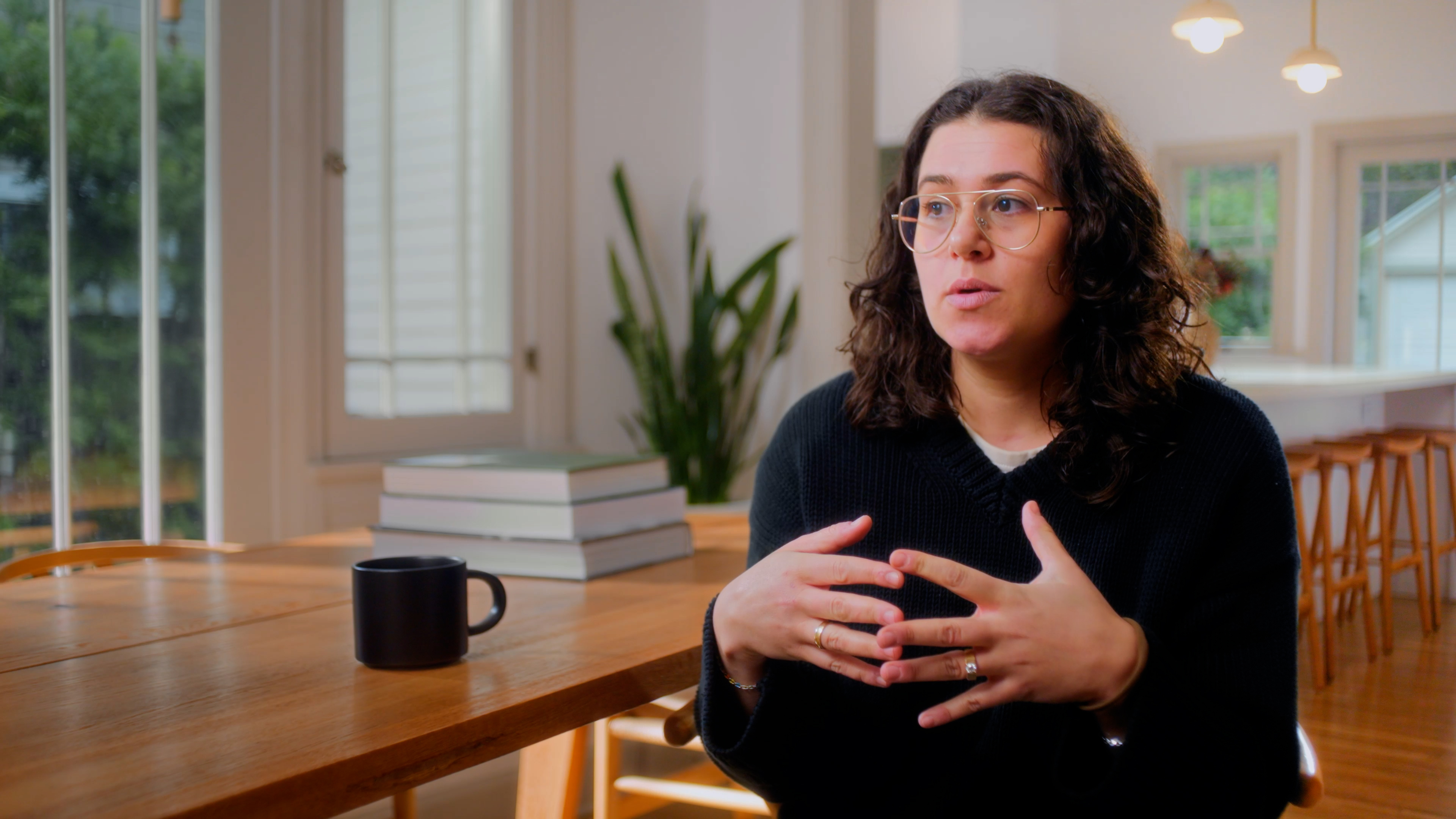
We filmed Good Inside’s product marketing lead in the middle of it, carrying the story while real family life happened around her.
That one choice changed the whole film. Instead of someone describing parenting, we had parenting in the frame.
The noise was real. The warmth was real. The mess was real.
You cannot fake a four-year-old.
Hire for comfort, not performance
Using child actors with their own parents was the right call.
The comfort came built in. The kids trusted the adult next to them. The parents knew when to step in and when to let the moment breathe. Nobody had to force a child to perform for strangers.
That costs more than stock footage.
It also looks like life.
A lot of branded films miss this. They hire for the perfect frame, then wonder why the scene feels dead. The better move is to hire for the conditions that create real behavior.
Then point the camera at that.
Direct around the kids
Kids do not care about your shot list.
They do not hit marks. They do not wait for lighting. They have about twenty good minutes, and you do not get to pick which twenty.
So you flip the process.
You do not direct the kids. You direct everything around the kids.
Light the room wide. Keep the crew small. Keep cameras ready. Let parents lead. Stay loose enough to catch what happens.
The best moment of the shoot was not on the board. A kid did something funny, the room laughed for real, and we happened to be rolling.
That is the shot.
Control without looking controlled
This was a staged scene.
That was the trick.
We built the room, chose the cast, shaped the light, and planned the coverage. But the second it looked controlled, the whole thing would fall apart.
So we treated it like documentary coverage of something we created.
Small crew. Light footprint. Handheld when it helped. Cameras moving with the room instead of asking the room to freeze for the cameras.
The energy in the final film was not added in post. It was already there. Our job was to stay out of its way.
What I would do differently
I would protect more time for the accidents.
The planned beats worked. But the moments people remember are usually the ones nobody planned. The laugh. The mess. The kid who would not cooperate. Those are gold, and you only get them if the day has room to breathe.
I would also shoot more quiet coverage.
Hands. Toys. Glances. The little in-between shots that make an edit feel human. You never regret having too much of that.
What this changed
Do not interview your customer and call it a story.
Build the world around them.
If they teach, film the teaching. If they parent, film the parenting. If they build, film the building. The product almost never needs to be the hero. The life around the product is the hero.
Show that, and the product earns its place.
Make it real, then get out of the way.
Frequently Asked Questions
What makes a customer story different from a testimonial?
A testimonial describes the product. A customer story shows the life the product fits into. One asks for trust. The other earns it.
How do you make a staged customer story feel real?
Create the right conditions, then stop over-directing. Keep the crew small, the cameras ready, and the room loose enough for real moments to happen.
Should you use real customers or actors?
Use real customers when the story is documentary. Use actors when you need to stage a scene safely, legally, and predictably. For kids, hiring child actors with their own parents gave us natural behavior without putting pressure on a real customer’s family.
How big should the crew be for a customer story?
Small enough to stay invisible. A customer story built around real behavior gets worse when the crew becomes the center of the room.
What is the biggest mistake in customer story production?
Treating the interview as the whole story. The interview should guide the piece, but the life around the customer is what makes people believe it.